Narco-Analysis Constitutionality in India: 2025 Supreme Court Ruling on Consent, Rights, and Legal Admissibility Explained.

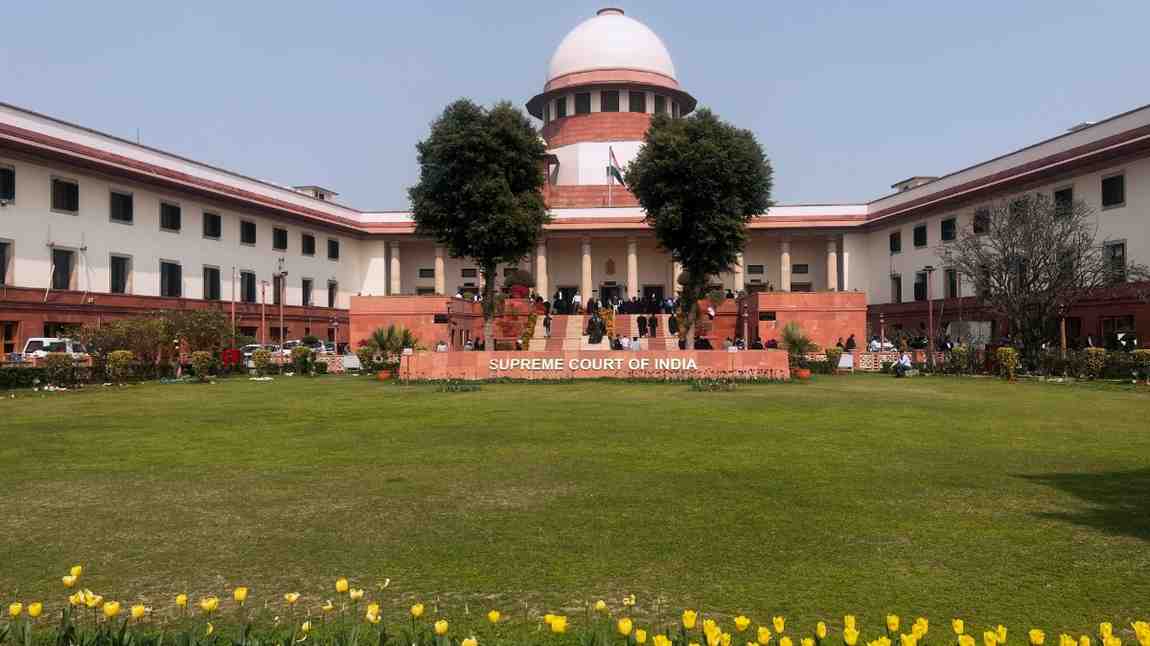
narco analysis in India - almesh v state of bihar

The Supreme Court’s 2025 ruling in Amlesh Kumar v. State of Bihar reaffirms that narco-analysis, polygraph and brain-mapping tests cannot be used without free and informed consent. The judgment clarifies that such techniques cannot be ordered during bail hearings, cannot form the sole basis of conviction, and are not an absolute right for the accused. By reiterating the principles laid down in Selvi v. State of Karnataka (2010), the Court strengthens constitutional protections under Articles 20(3) and 21 and sets clear limits on the use of coercive investigative methods.

Apartment Ownership in Uttar Pradesh: UP Apartment Act 2010, Rules 2011 & Model Bye-Laws Explained

A concise guide to the UP Apartment Act 2010, the accompanying Rules, and the Model Bye-Laws that govern apartment ownership and association management in Uttar Pradesh. This post explains the legal framework, rights of owners, duties of promoters, and the governance structure of Apartment Owners’ Associations, helping residents and AOAs understand compliance, transparency, and effective community management.

Caveat Filing in Supreme Court: Meaning, Procedure, Format & 90-Day Rules

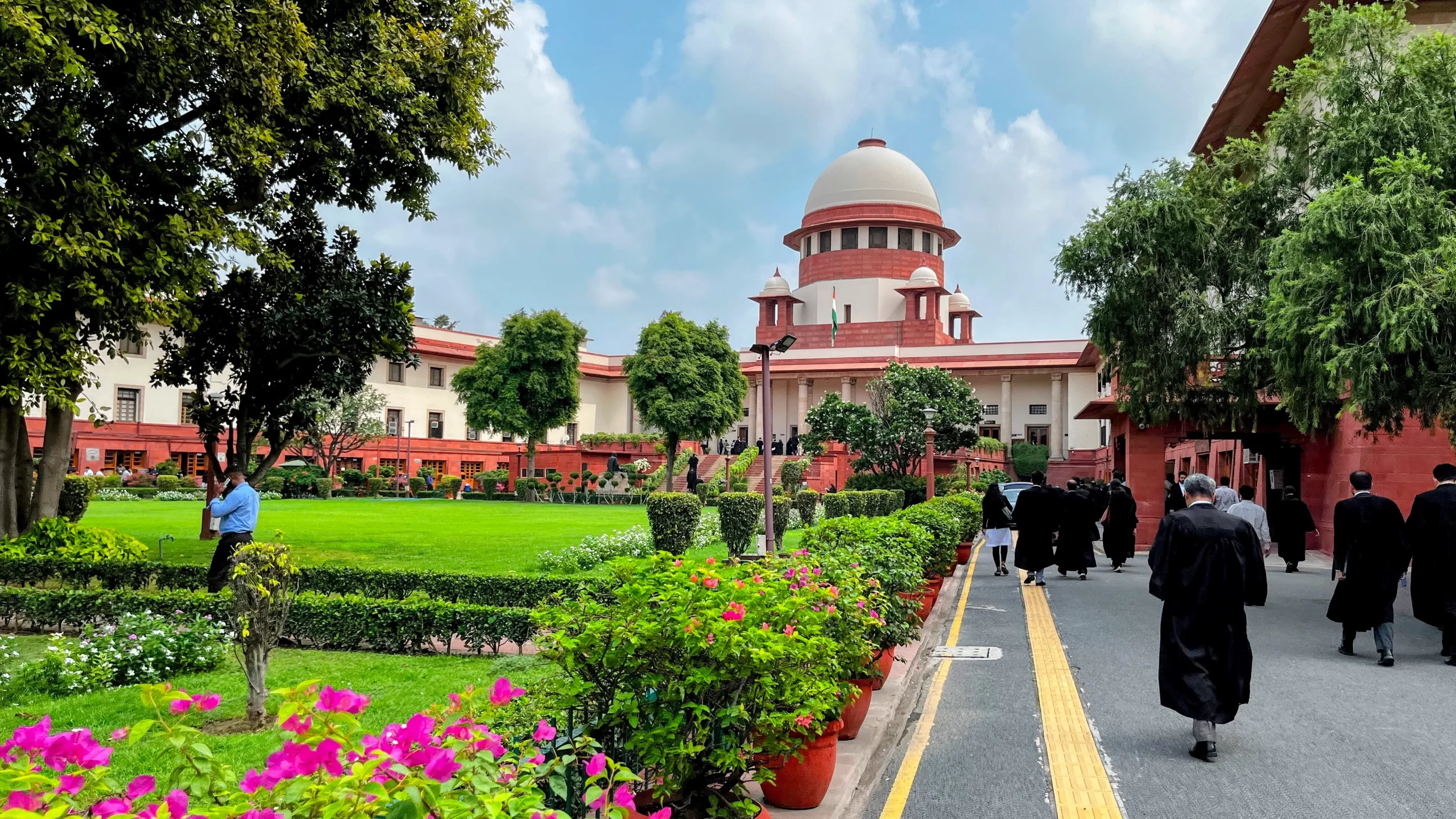
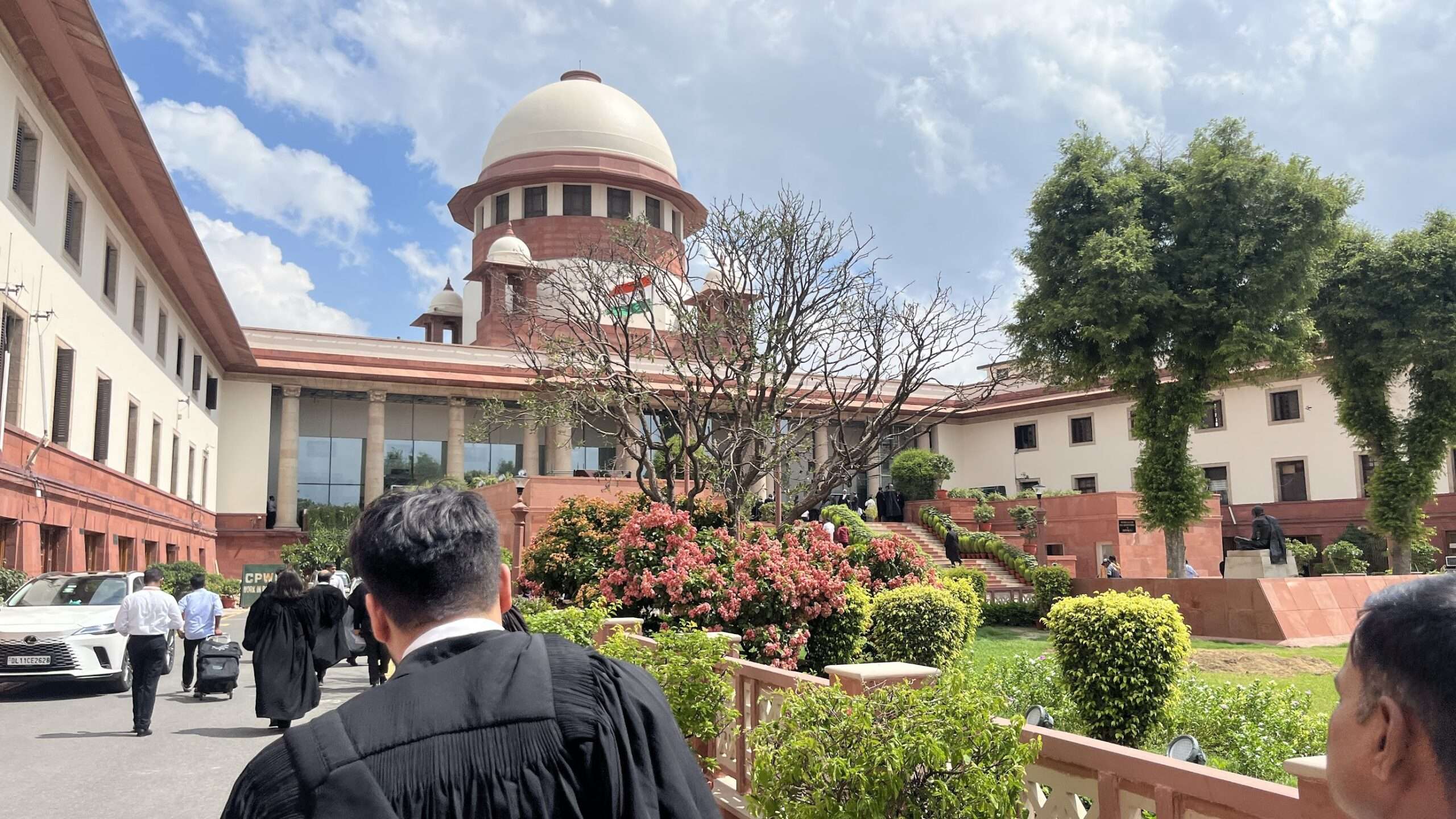
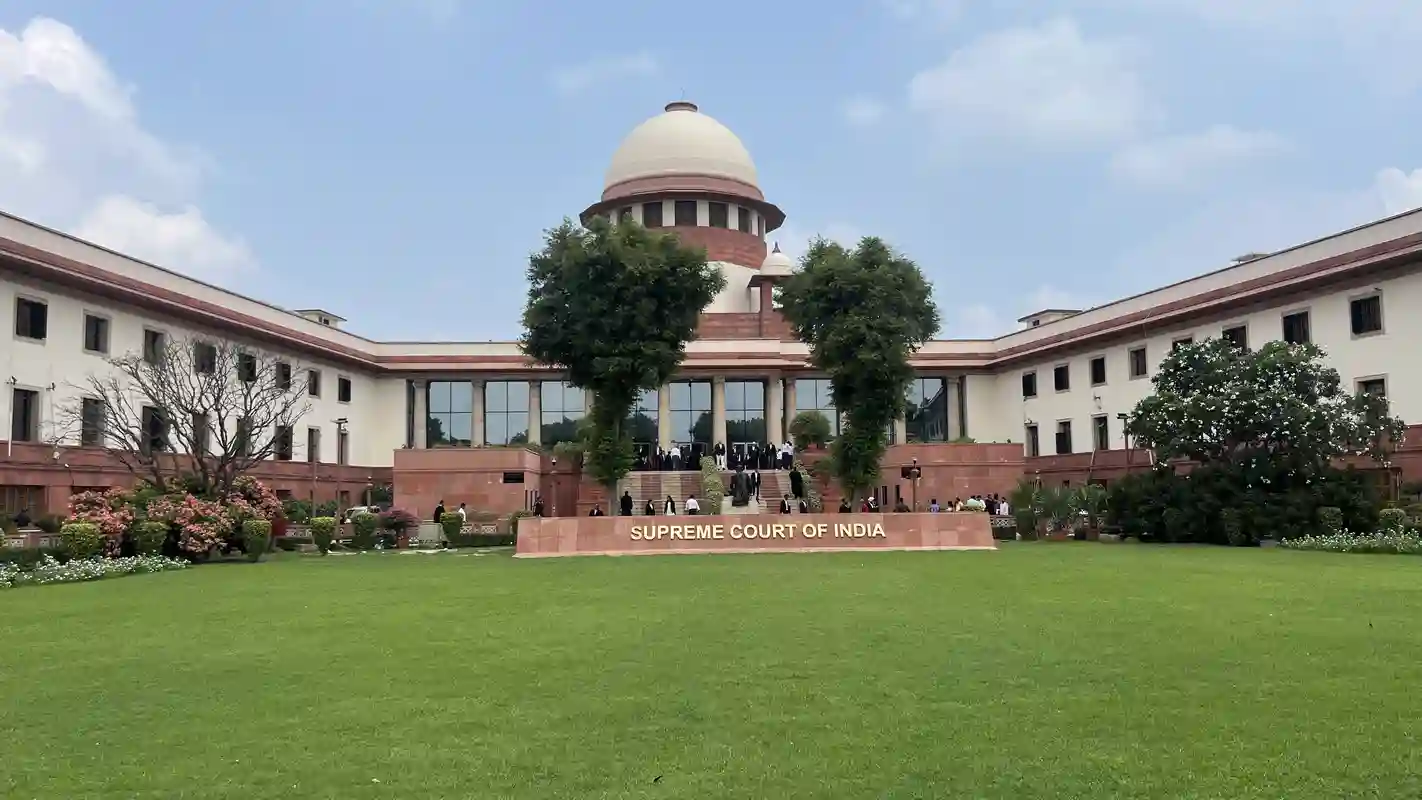
Lawyers walking towards the Supreme Court of India – caveat filing procedure, meaning, rules and 90-day validity explained

A caveat is a powerful safeguard that prevents ex-parte orders in the Supreme Court by ensuring the caveator is heard before any relief is granted. This post explains the meaning of a caveat, when and where it can be filed, the Supreme Court Rules governing it, and the complete filing procedure with documents required.

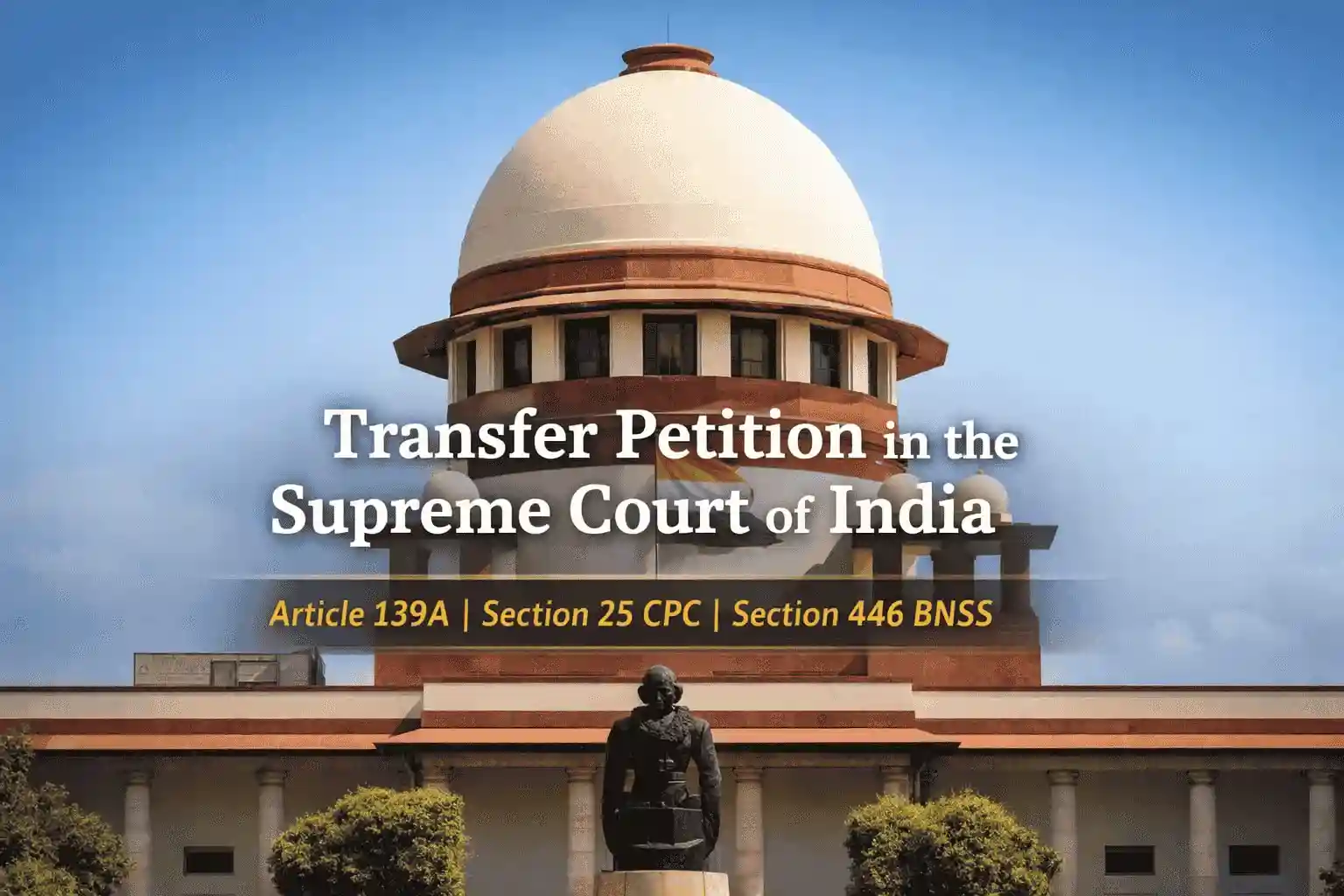
Transfer Petition in the Supreme Court: Complete Procedure, Grounds & FAQs

A comprehensive guide explaining how to file a civil transfer petition before the Supreme Court of India, covering jurisdiction, grounds, required documents, procedure, drafting guidelines, limitation, practical considerations, dominus litis, and 80+ FAQs to help litigants and practitioners understand the complete transfer mechanism.

Section 497 BNSS – Bhartiya Nagarik Suraksha Sanhita, 2023 & 451 Cr.P.C. Order for Custody and Disposal of Property Pending Trial

Section 497 BNSS custody and disposal of property pending trial explained by Advocate on Record Supreme Court of India

Detailed commentary on Section 497 of the Bhartiya Nagarik Suraksha Sanhita, 2023 (BNSS), corresponding to Section 451 CrPC, governing custody and disposal of property pending trial. Includes procedure, timelines, Supreme Court precedents and practical drafting guidance for release of seized property.

Section 190 BNSS – Bhartiya Nagarik Suraksha Sanhita, 2023 & 170 CrPC. Cases to be sent to Magistrate, when evidence is sufficient.

Section 190 BNSS explained with Section 170 CrPC equivalent and custody law India

Section 190 BNSS deals with forwarding an accused to the Magistrate when evidence is sufficient after investigation. This commentary explains the provision, the key reform on custody, and landmark Supreme Court judgments including Siddharth v. State of UP and Satender Kumar Antil v. CBI.

Section-170 BNSS – Bhartiya Nagarik Suraksha Sanhita, 2023 & 151 CrPC. Arrest to Prevent the Commission of Cognizable Offences: Explained.

Section 170 BNSS explained preventive arrest law India vs Section 151 CrPC police powers without warrant

Introduction Section 170 of the Bharatiya Nagarik Suraksha Sanhita, 2023 (BNSS) deals with preventive arrest—a power enabling police officers to arrest a person to prevent the commission of a cognizable offence. This provision is substantially similar to Section 151 of the Code of Criminal Procedure, 1973 (CrPC), but must be understood in light of modern … Read more

Section 152 BNSS – Bhartiya Nagarik Suraksha Sanhita, 2023 & Section 133 Cr.P.C. Order for Removal of Nuisance

Flat illustration depicting Indian criminal law for Section 152 BNSS, showing Executive Magistrate powers, police, Supreme Court, and removal of public nuisance.

This article tries to give a complete guide to Section 152 of Bharatiya Nagarik Suraksha Sanhita 2023 (BNSS) – conditional order for removal of nuisance. Covers ingredients, procedure, landmark Supreme Court & High Court judgments, appeal remedies, and practical tips for lawyers and litigants. Equivalent to Section 133 CrPC.

Section 296 BNS – Bhartiya Nyaya Sanhita, 2023 & S. 294 IPC: Obscene acts and songs

BNS Bharatiya Nyaya Sanhita Commentary of sections and cross reference to IPC Indian Penal Code Section

Section 296 of the Bharatiya Nyaya Sanhita, 2023 replaces Section 294 IPC and penalizes obscene acts or obscene songs/words done in or near a public place to the annoyance of others. This article explains the ingredients of the offence, key differences between BNS and IPC, important Supreme Court and High Court judgments, and the legal standards for obscenity in India.

Section 61 BNS – Bhartiya Nyaya Sanhita, 2023 and 120A & B IPC; Criminal Conspiracy

Section 61 BNS criminal conspiracy replacing Sections 120A and 120B IPC explained

Section 61 of the Bharatiya Nyaya Sanhita, 2023 replaces Sections 120A and 120B IPC governing criminal conspiracy in India. This detailed legal analysis explains the ingredients of conspiracy, punishment under Section 61(2) BNS, leading Supreme Court case laws, and the critical implications for ED and PMLA proceedings after Pavana Dibbur and Yash Tuteja. A practical guide for criminal law practitioners navigating the transition from IPC to BNS.

Review Petition in the Supreme Court of India: Article 137, Order XLVII, Grounds, Procedure & Landmark Cases

Review Petition in the Supreme Court of India under Article 137 and Order XLVII of the Supreme Court Rules

A comprehensive guide to Review Petitions in the Supreme Court of India under Article 137 and Order XLVII of the Supreme Court Rules, 2013. Explore constitutional foundations, grounds for review in civil and criminal matters, landmark cases such as Kamlesh Verma, Mohd. Arif, and Lily Thomas, procedural nuances, and practical drafting strategy for Advocates-on-Record and Litigants.