Narco-Analysis Constitutionality in India: 2025 Supreme Court Ruling on Consent, Rights, and Legal Admissibility Explained.

narco analysis in India - almesh v state of bihar

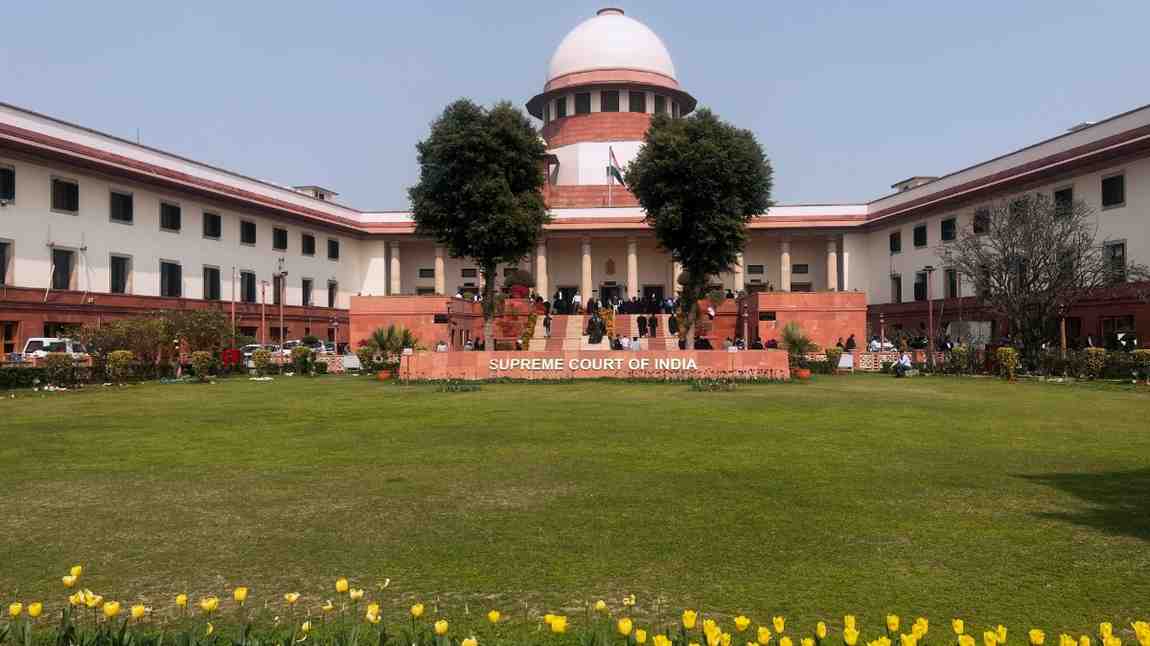
The Supreme Court’s 2025 ruling in Amlesh Kumar v. State of Bihar reaffirms that narco-analysis, polygraph and brain-mapping tests cannot be used without free and informed consent. The judgment clarifies that such techniques cannot be ordered during bail hearings, cannot form the sole basis of conviction, and are not an absolute right for the accused. By reiterating the principles laid down in Selvi v. State of Karnataka (2010), the Court strengthens constitutional protections under Articles 20(3) and 21 and sets clear limits on the use of coercive investigative methods.

Apartment Ownership in Uttar Pradesh: UP Apartment Act 2010, Rules 2011 & Model Bye-Laws Explained

A concise guide to the UP Apartment Act 2010, the accompanying Rules, and the Model Bye-Laws that govern apartment ownership and association management in Uttar Pradesh. This post explains the legal framework, rights of owners, duties of promoters, and the governance structure of Apartment Owners’ Associations, helping residents and AOAs understand compliance, transparency, and effective community management.

Caveat Filing in Supreme Court: Meaning, Procedure, Format & 90-Day Rules

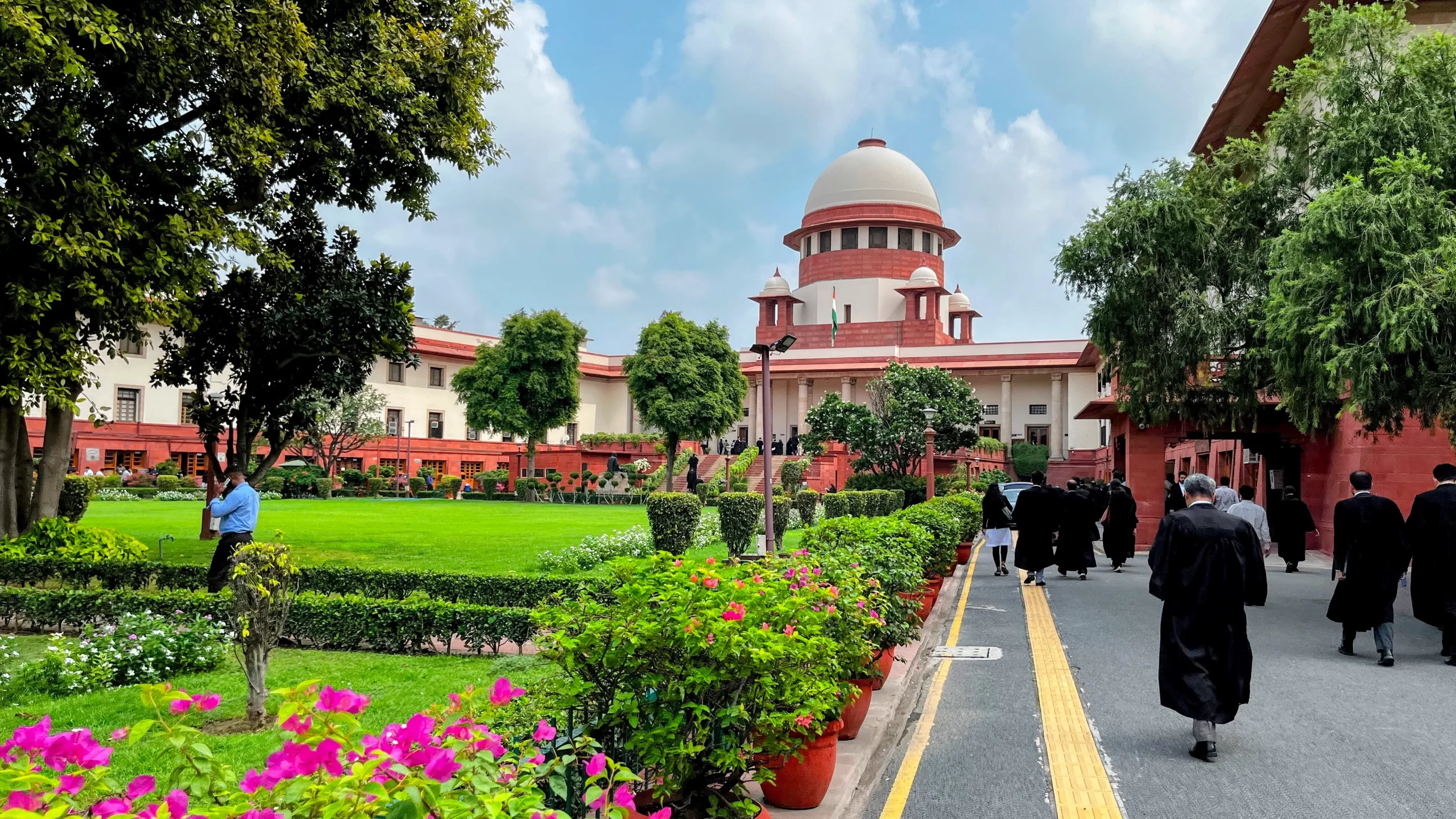
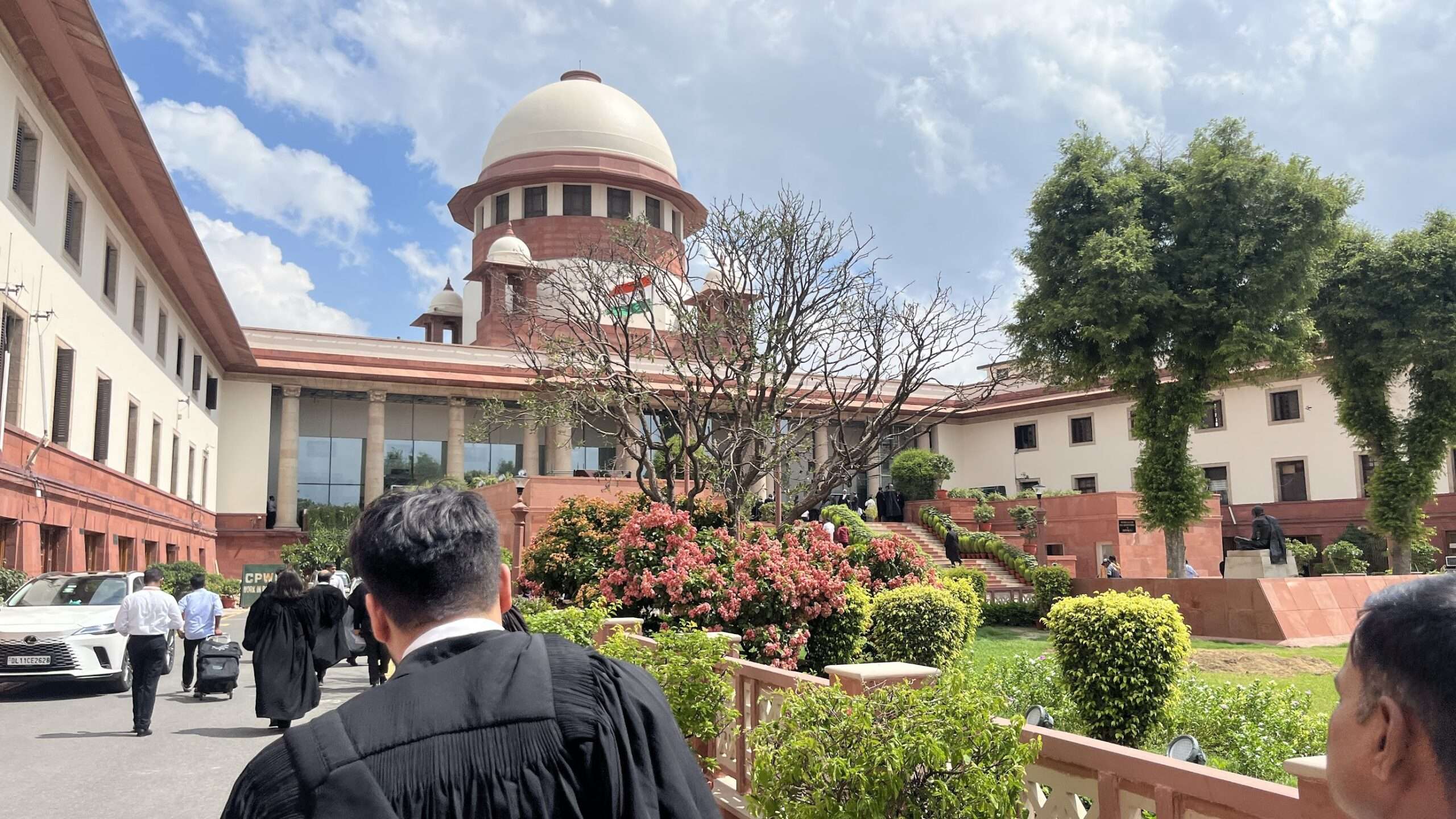
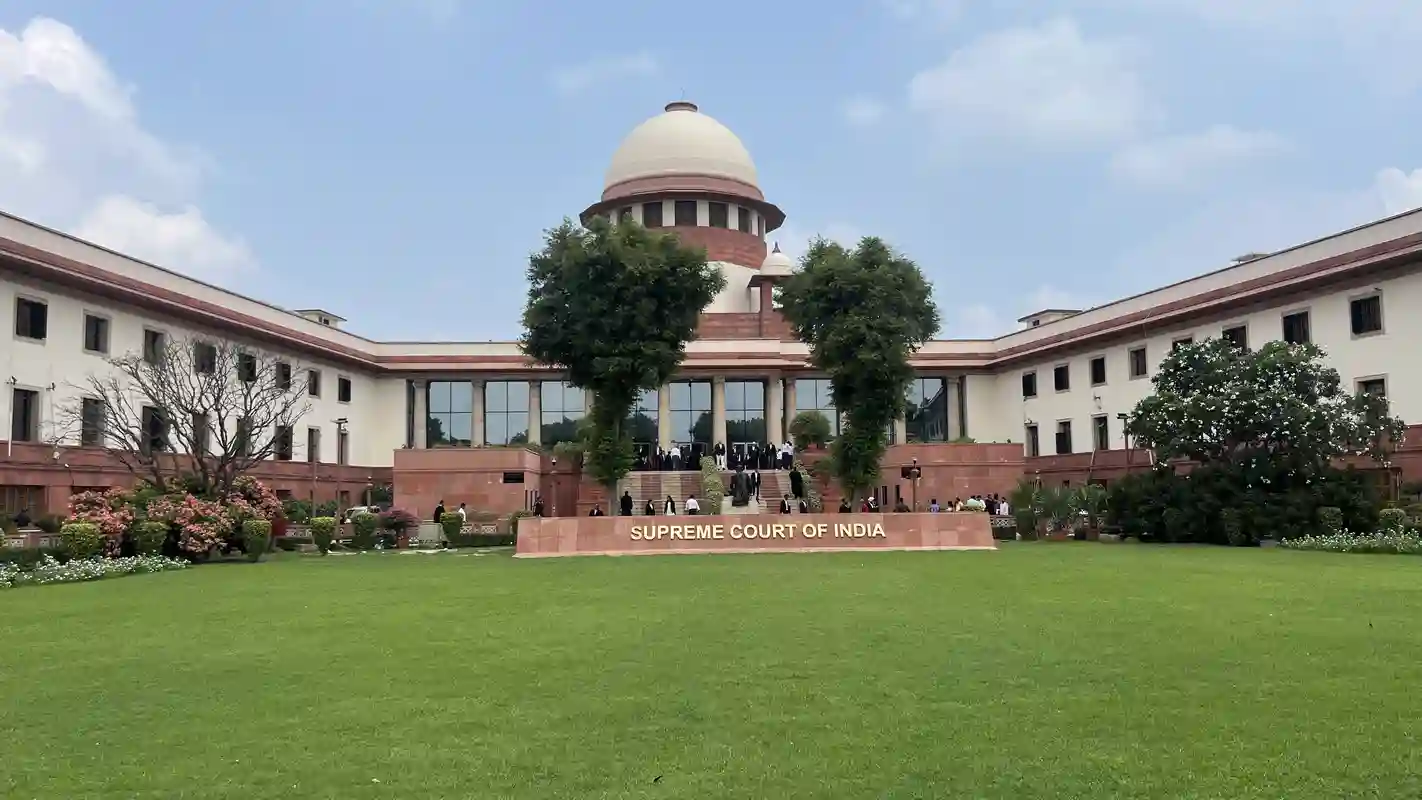
Lawyers walking towards the Supreme Court of India – caveat filing procedure, meaning, rules and 90-day validity explained

A caveat is a powerful safeguard that prevents ex-parte orders in the Supreme Court by ensuring the caveator is heard before any relief is granted. This post explains the meaning of a caveat, when and where it can be filed, the Supreme Court Rules governing it, and the complete filing procedure with documents required.

Transfer Petition in the Supreme Court: Complete Procedure, Grounds & FAQs

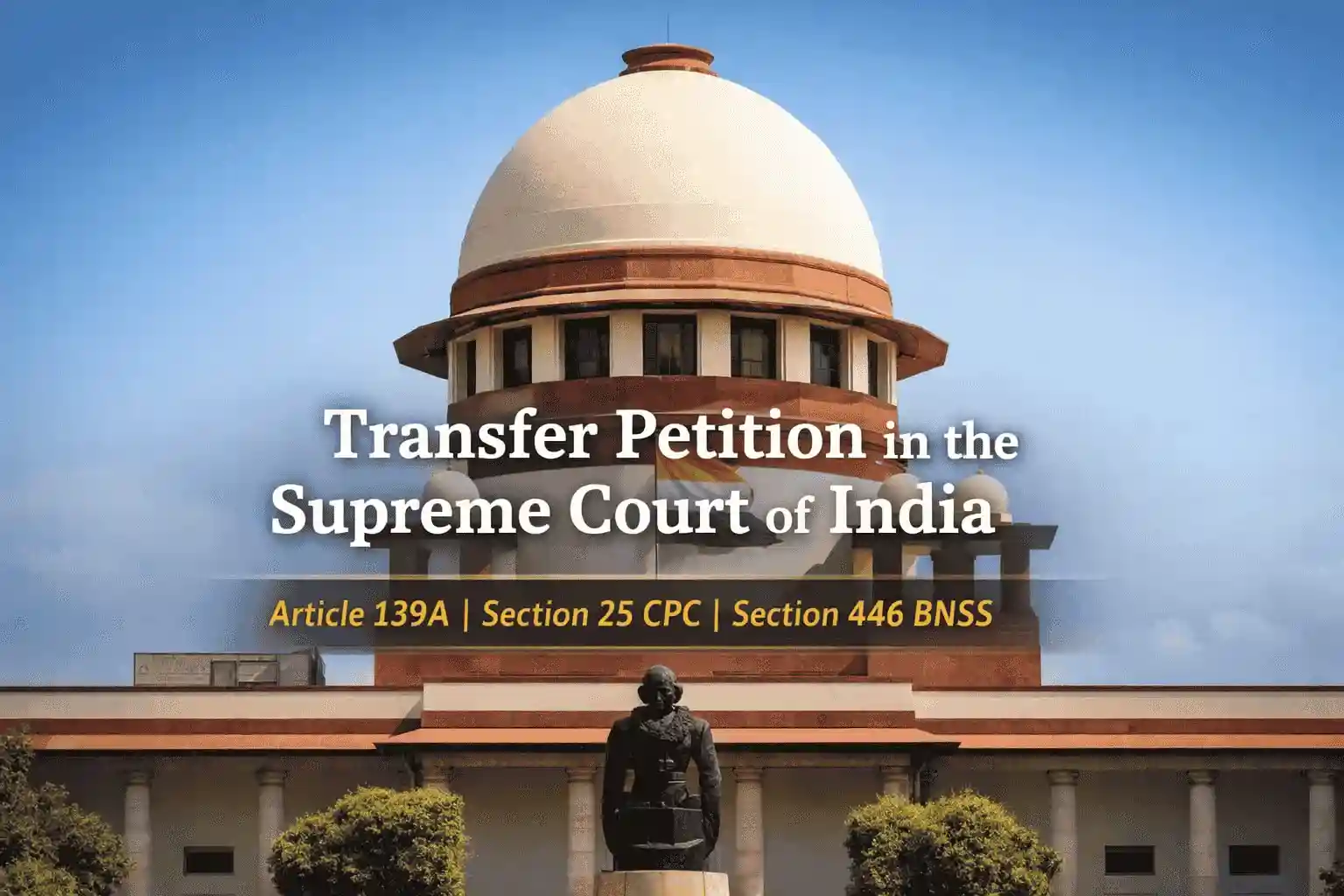
A comprehensive guide explaining how to file a civil transfer petition before the Supreme Court of India, covering jurisdiction, grounds, required documents, procedure, drafting guidelines, limitation, practical considerations, dominus litis, and 80+ FAQs to help litigants and practitioners understand the complete transfer mechanism.

From Courtroom to Fairway – A Lawyer’s Swing into Golf

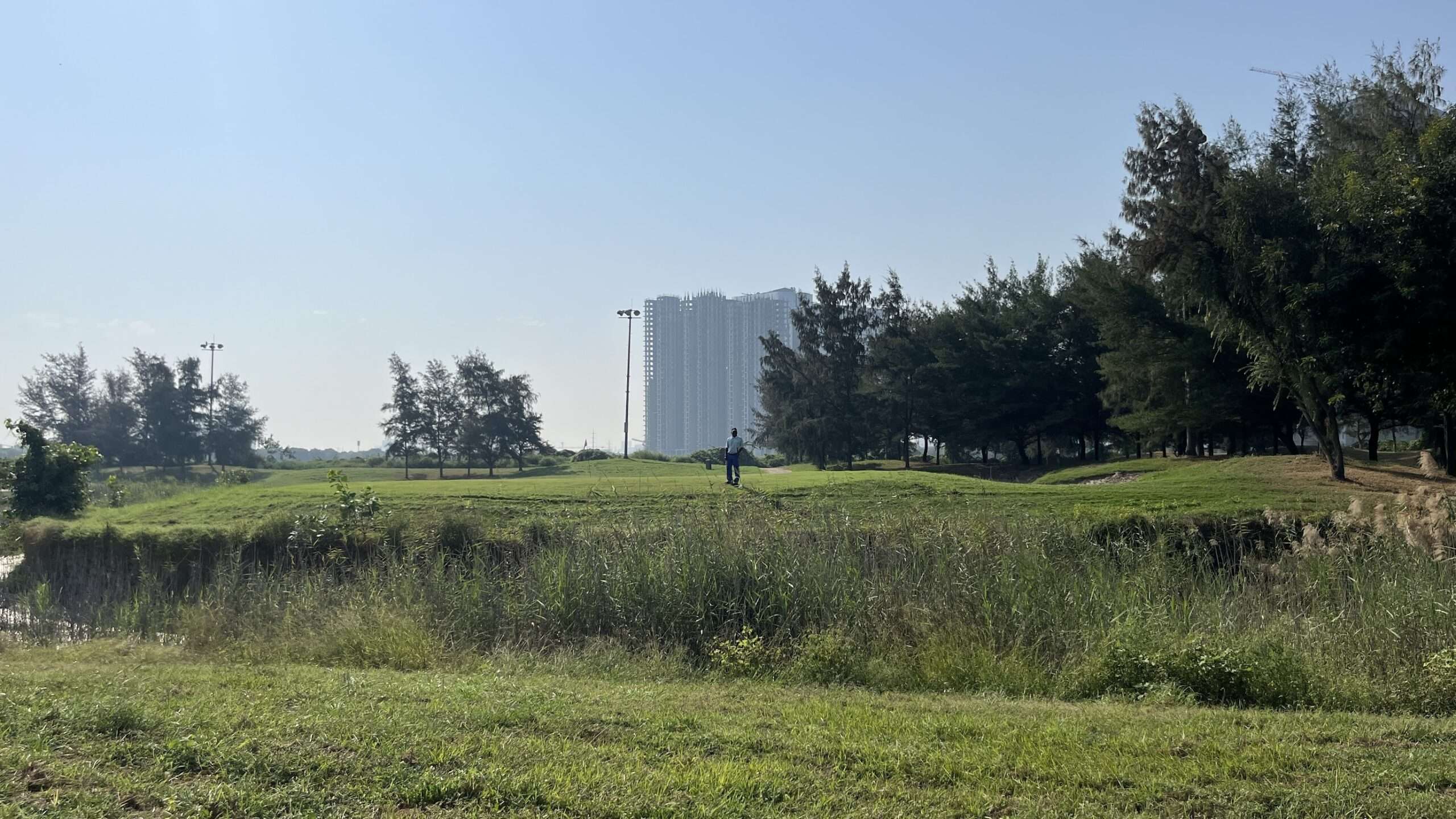
a fairway in golf course

The Swing – Toppling from Courtroom to Greens. Being a lawyer, I’ve had the privilege of meeting people from all walks of life. Naturally, when you’re trying to build trust with clients, you end up learning a bit about their personal lives—what they do for fun, their hobbies, etc. Time and again, some of my … Read more

Section-514 BNSS – Bhartiya Nagarik Suraksha Sanhita, 2023 & equivalent Cr.P.C. Section – 468

Section-514: Bar to taking cognizance after lapse of period of limitation – with corresponding and equivalent Sections of Cr.P.C.-Criminal Procedure Code. Comparison Bharatiya Nagarik Suraksha Sanhita, 2023 Code of Criminal Procedure, 1973 (corresponding section) 514. Bar to taking cognizance after lapse of period of limitation.—(1) Except as otherwise providedin this Sanhita, no Court shall take … Read more

Section-513 BNSS – Bhartiya Nagarik Suraksha Sanhita, 2023 & equivalent Cr.P.C. Section

Section-513: Definitions – with corresponding and equivalent Sections of Cr.P.C.-Criminal Procedure Code. Bharatiya Nagarik Suraksha Sanhita, 2023 Code of Criminal Procedure, 1973 (corresponding section) 513. Definitions.—For the purposes of this Chapter, unless the context otherwise requires, “period of limitation” means the period specified in section 514 for taking cognizance of an offence. 467. Definitions.—For the … Read more

Section-512 BNSS – Bhartiya Nagarik Suraksha Sanhita, 2023 & equivalent Cr.P.C. Section

Section-512: Defect or error not to make attachment unlawful – with corresponding and equivalent Sections of Cr.P.C.-Criminal Procedure Code. Bharatiya Nagarik Suraksha Sanhita, 2023 Code of Criminal Procedure, 1973 (corresponding section) 512. Defect or error not to make attachment unlawful.—No attachment made under this Sanhita shall be deemed unlawful, nor shall any person making the … Read more

Section-511 BNSS – Bhartiya Nagarik Suraksha Sanhita, 2023 & equivalent Cr.P.C. Section

Section-511: Finding or sentence when reversible by reason of error, omission or irregularity – with corresponding and equivalent Sections of Cr.P.C.-Criminal Procedure Code. Bharatiya Nagarik Suraksha Sanhita, 2023 Code of Criminal Procedure, 1973 (corresponding section) 511. Finding or sentence when reversible by reason of error, omission or irregularity.—(1) Subject to the provisions hereinbefore contained, no … Read more

Section-510 BNSS – Bhartiya Nagarik Suraksha Sanhita, 2023 & equivalent Cr.P.C. Section

Section-510: Effect of omission to frame, or absence of, or error in, charge – with corresponding and equivalent Sections of Cr.P.C.-Criminal Procedure Code. Bharatiya Nagarik Suraksha Sanhita, 2023 Code of Criminal Procedure, 1973 (corresponding section) 510. Effect of omission to frame, or absence of, or error in, charge.—(1) No finding, sentence ororder by a Court … Read more

Section-509 BNSS – Bhartiya Nagarik Suraksha Sanhita, 2023 & equivalent Cr.P.C. Section

Section-509: Non-compliance with provisions of section 183 or section 316 – with corresponding and equivalent Sections of Cr.P.C.-Criminal Procedure Code. Bharatiya Nagarik Suraksha Sanhita, 2023 Code of Criminal Procedure, 1973 (corresponding section) 509. Non-compliance with provisions of section 183 or section 316.—(1) If any Court before whicha confession or other statement of an accused person … Read more

Section-508 BNSS – Bhartiya Nagarik Suraksha Sanhita, 2023 & equivalent Cr.P.C. Section

Section-508: Proceedings in wrong place – with corresponding and equivalent Sections of Cr.P.C.-Criminal Procedure Code. Bharatiya Nagarik Suraksha Sanhita, 2023 Code of Criminal Procedure, 1973 (corresponding section) 508. Proceedings in wrong place.—No finding, sentence or order of any Criminal Court shall be set aside merely on the ground that the inquiry, trial or other proceedings … Read more